
“Connecting People Through Leadership” – U.S. Summer Program 2025 Report
From September 6 to 14, 2025, BEYOND Tomorrow held the U.S. Summer Program 2025.
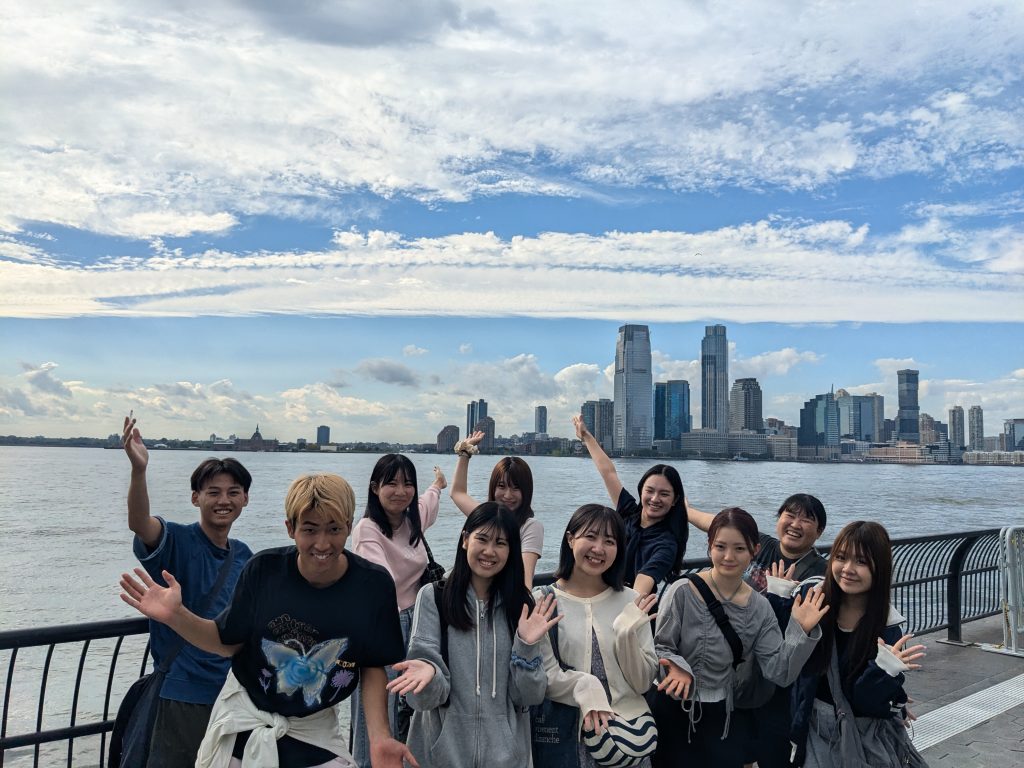
With the generous support of the Autorace Grant from the Public Interest Incorporated Foundation JKA and the Jiro Murase Memorial Foundation, ten selected students visited New York and Washington, D.C., where they learned about American society and culture.
Organizer
Global Fund for Education Assistance
Supporters
Jiro Murase Memorial Foundation
Public Interest Incorporated Foundation JKA
Locations
Tokyo / New York / Washington, D.C.
Overview
The U.S. Summer Program, which has been continuously implemented since 2012, provides selected young participants with the opportunity to visit New York and Washington, D.C.
Each year, ten students are selected to take part in the program, where they learn about American society and culture through firsthand experience.
In FY2025, the program was organized under the theme:
“What Does It Mean to Be a Leader Who Connects People? – What We Can Do Now”
(Aspiring Leaders Connecting People – The First Steps to Be Taken Now).
Against the backdrop of increasing division in today’s society, participants were encouraged to reflect on how each of them can act as a leader who bridges people and communities. Through visits to a wide range of corporations, organizations, and educational institutions, as well as interactions with professionals active in various fields, participants engaged in in-depth discussions with their peers. The program aimed to provide opportunities for growth that would enable participants to take concrete steps forward after completing the program.
Jiro Murase Memorial Scholarship”
This initiative is operated as the Jiro Murase Memorial Scholarship Program, which honors the legacy of the late Mr. Jiro Murase, who played an important role as a bridge between Japan and the United States. The program seeks to nurture young people who will carry forward Japan–U.S. exchange by enabling them to experience life in the United States, meet diverse Americans, and deepen their understanding of American society.
Main Contents
Pre-Departure Training (Tokyo)
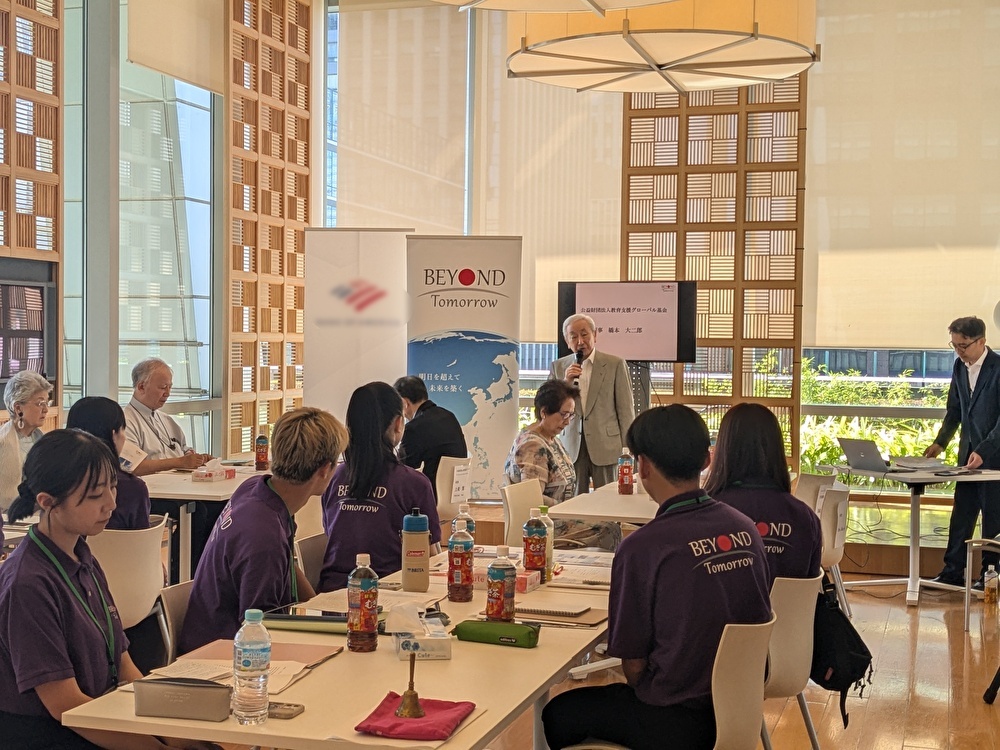
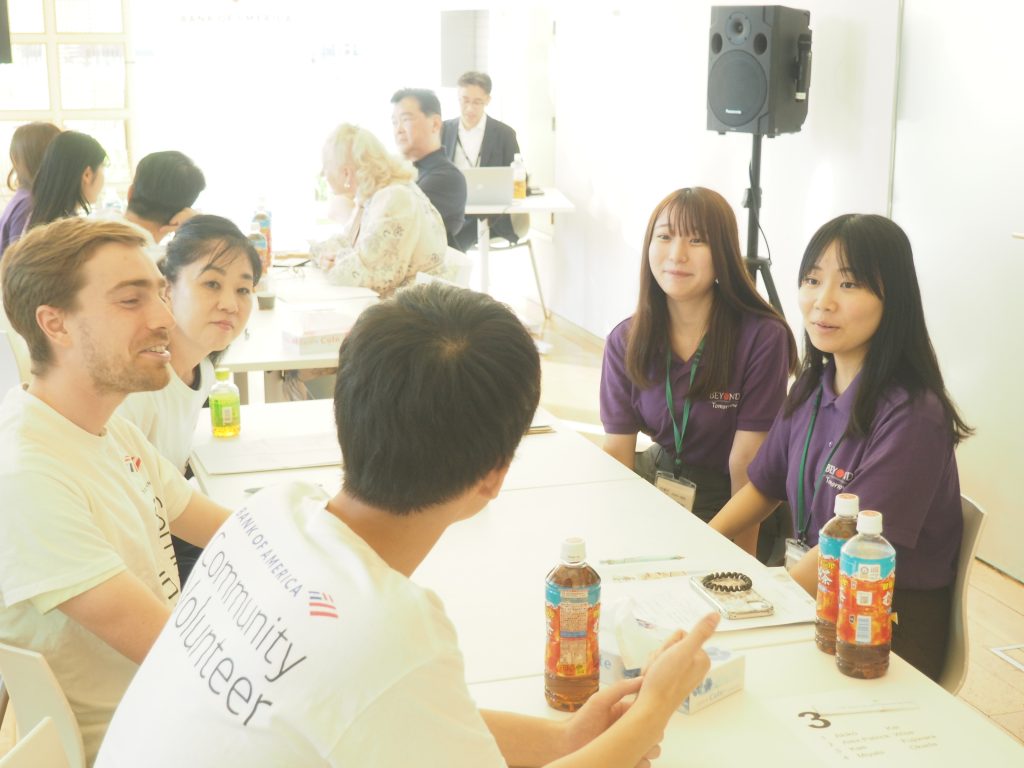
On the day before departure to the United States, participants took part in an English conversation workshop and a pre-program learning presentation session.
Students delivered presentations on the theme, “Why Does Social Division Occur? — What We Can Learn from U.S. Case Studies and What We Can Do Today,” which helped strengthen their motivation as they prepared for the journey ahead.
- U.S. Training Program
Washington, D.C. (Perspectives on Politics, Public Administration, and Education)
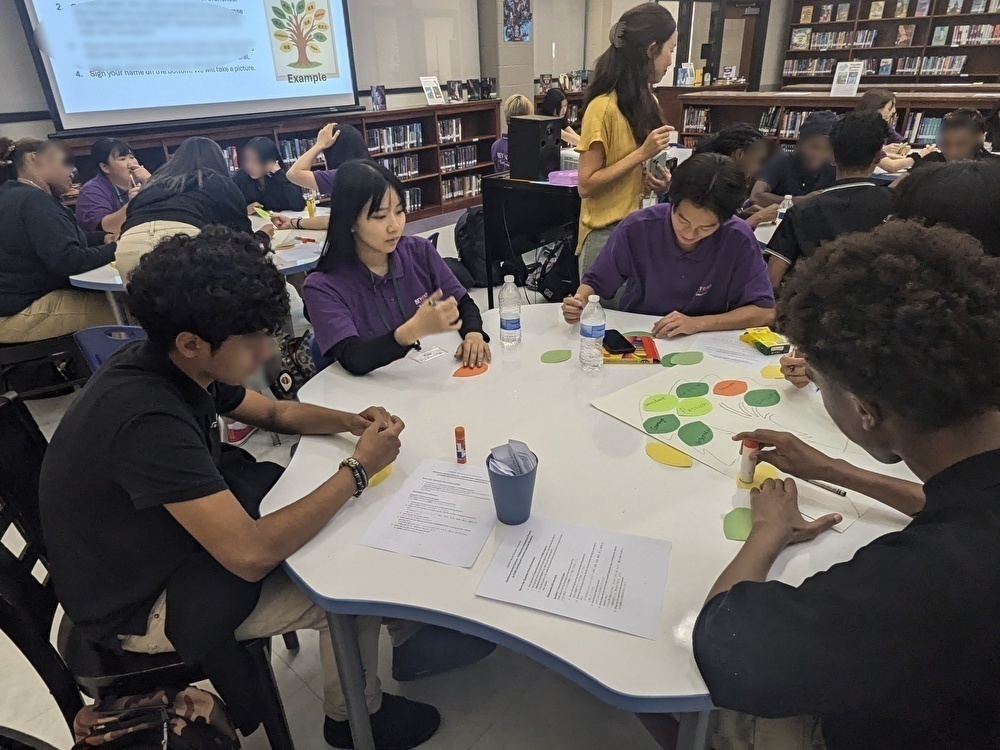
Visit to Columbia Heights Education Campus
Participants engaged with local high school students from diverse backgrounds and exchanged views on education and society in Japan and the United States.
-
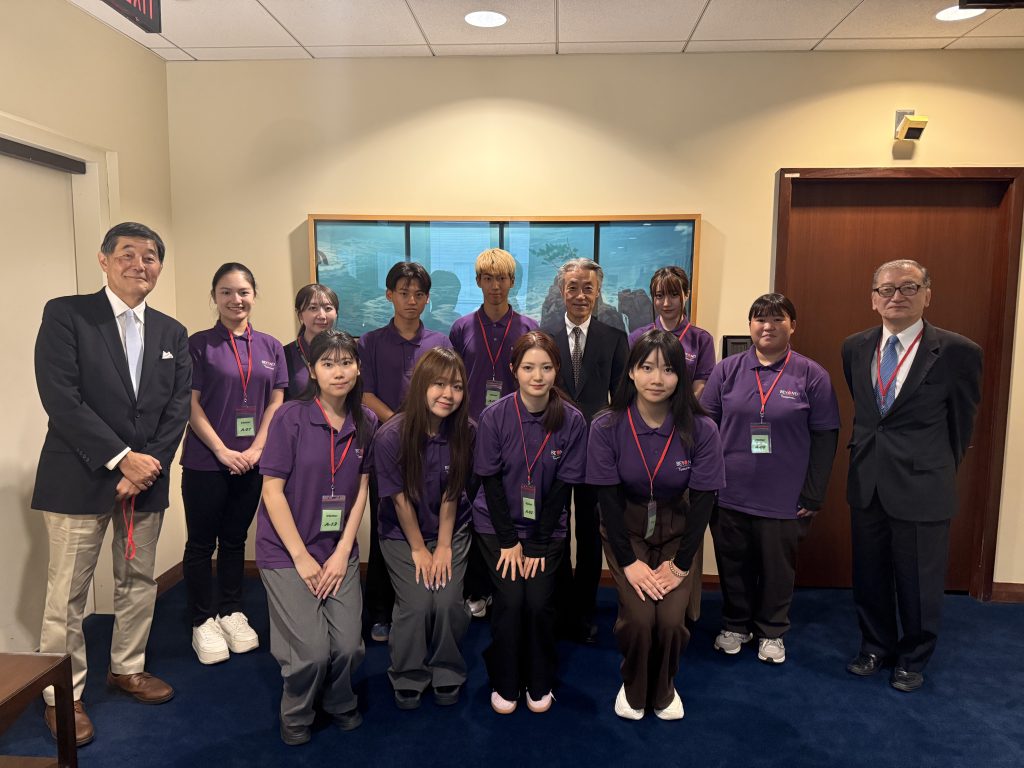
Courtesy Visit to the Embassy of Japan
Participants paid a courtesy visit to the Embassy of Japan and met with Ambassador Extraordinary and Plenipotentiary Shigeo Yamada, who shared insights into the role of diplomats and the current state of Japan–U.S. relations.
-
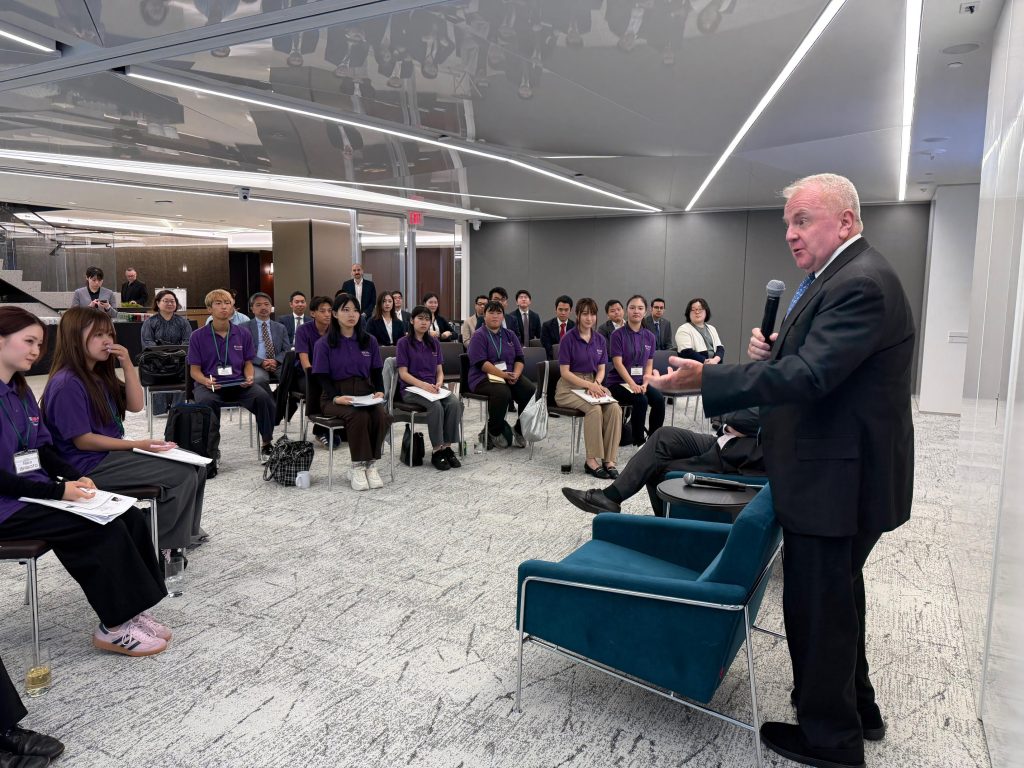
Talk by Former U.S. Ambassador to Russia John Sullivan
At Mayer Brown LLP, participants attended a talk by Mr. John Sullivan, former U.S. Ambassador to Russia, and had the opportunity to engage with Japan-based attorneys residing in Washington, D.C., as well as program supporters.
Drawing on his experience serving at the forefront of U.S. diplomacy as Deputy Secretary of State and U.S. Ambassador to Russia, Mr. Sullivan spoke about the importance of the ability to understand others and the skill to discern what counterparts are truly seeking. He also responded thoughtfully and in detail to questions from the students.
-
Visit to the U.S. Capitol
Participants toured the U.S. Capitol and learned about the role of the legislative branch and the mechanisms of policy-making.
New York (Perspectives from the Private Sector and the International Community)
Visit to the 9/11 Memorial & Museum
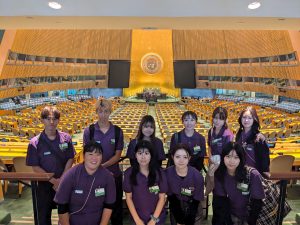
Participants learned about the history and lessons of the terrorist attacks that occurred in 2002 and deepened their reflections on diversity and coexistence.Visit to the United Nations Headquarters
Participants observed the frontlines of international problem-solving and reflected on the roles of Japan and young people within the global community.
-
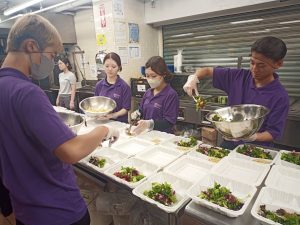
Volunteer Experience at NY Common Pantry
Participants took part in volunteer activities supporting individuals facing food insecurity and helped provide 200 meals to those in need.
-
Visit to Estée Lauder Companies
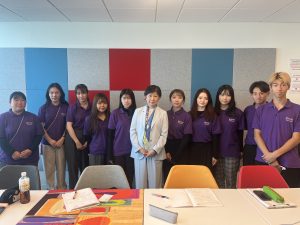
Participants visited the headquarters of The Estée Lauder Companies, a global corporation, and learned about the company’s initiatives to promote diversity and inclusion.Courtesy Visit to the United Nations Under-Secretary-General Izumi Nakamitsu
Participants paid a courtesy visit to Ms. Izumi Nakamitsu, United Nations Under-Secretary-General, and learned about global issues such as international peace and security, as well as career paths within international organizations. A Q&A session with the scholars followed.
-
Final Presentation
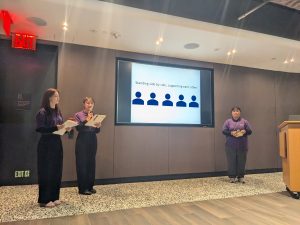
Drawing on the insights gained through the program, participants delivered presentations in English before a large audience of guests on the theme, “The First Step as a Leader Who Connects People.”
Main Guest Commentary
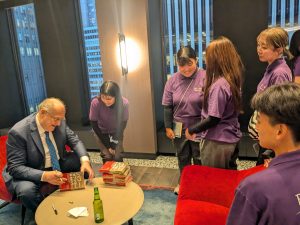
The main guest was Mr. Paul Sheard, a renowned economist and author of The Power of Money: A New Introduction to Currency, who provided commentary on the students’ presentations. While highlighting five key points for navigating the next generation, Mr. Sheard offered words of encouragement to the students.
Voices of the Participants
On the Most Memorable Visits
“The most memorable activity in the program was the volunteer work at NY Common Pantry. The words of thanks and smiles we received when handing out food made me realize that gratitude can be communicated even when languages are different.”
“The volunteer experience at NY Common Pantry left a very strong impression on me. (Omitted) While I knew intellectually that Japan has a high literacy rate, actually encountering people who cannot read or write made me truly aware of the seriousness of the issue. The United States is often described as a land of freedom, where opportunities for success are open to many. However, educational disparities due to family circumstances remain significant, and it feels nearly impossible for those who have not received a proper primary education to achieve the American Dream. I would like to continue exploring what I can do to help ensure that educational opportunities reach everyone.”
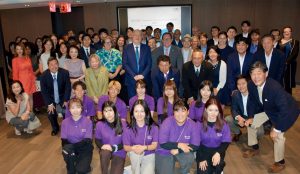
“At the reception following the final presentations, I was able to interact with Japanese professionals active in the United States as well as people working in industries I am personally interested in. I met individuals whom I could genuinely admire and aspire to become like in the future.”
“What left the strongest impression across all programs was the sense that the people we met held ‘hope’ and ‘expectations’ for us. Many said things like, ‘Please carry this experience into your future,’ or ‘We are cheering for your future.’ Every time I heard such words, I felt encouraged to do my best, and it felt as though my dreams were being affirmed. Compared to when I was in Japan, I gained much more confidence in myself.”
Reflections on Participating in the Program
“Through the program, my intellectual curiosity was strongly stimulated. I also had the opportunity to reconsider the importance of engaging in conversations with people whose life paths are completely different from my own. Since entering university, I had been freed from an exam-focused routine, yet I felt uneasy because I could not confidently say that I was truly working hard at something. Through this program, I had many new experiences and became acutely aware of my limited English ability, as well as my lack of knowledge in politics and general education. During visits such as the 9/11 Memorial and the UN Headquarters, I felt that my understanding was shallow due to insufficient background knowledge. This made me strongly determined to seriously commit to studying English—something I had long intended to do but had not acted on. Meeting politicians, civil servants, and many others also made me want to learn more about the wider world. As I hope to work as a physician in clinical settings in the future, I will need to engage with patients from diverse backgrounds. I want to continue taking action every day without forgetting the intellectual curiosity and motivation for growth that were reignited through this program.”
“The biggest change I experienced through this program was in how I have lived my life so far and how I want to live going forward. Until now, I made decisions by considering others’ opinions, expectations, and my circumstances. That way, I avoided criticism, failure, setbacks, and uncomfortable realities. Living like that led me to develop a habit of giving up and avoiding challenges. Looking back, it was simply a lack of courage. However, during this week in the United States, meeting so many people and being exposed to diverse perspectives and values changed how I felt. Everyone I met in the U.S. spoke confidently about living life as ‘their own,’ making choices for themselves and valuing their freedom. (Omitted) At that moment, I felt that my previous way of living had been positively challenged. I decided that this experience would be a turning point. I now want to take on more challenges, to fail and stumble, and to gain something meaningful from those experiences. I believe the greatest change is that I now want to live a life I can be proud of—one that I can look back on and say was fulfilling and meaningful, just like the people I met.”
ご支援への感謝
本プログラムは、公益財団法人 JKAのオートレース補助金、および村瀬二郎記念基金のご支援により実現しました。あたたかいご支援に心より御礼申し上げます。